01 Cloth The lead entry
Harris Tweed
The only cloth in the world whose definition is written into an Act of Parliament
By an Act of Parliament of 1993 the cloth may only carry the Orb mark if it is dyed, spun and finished in the Outer Hebrides and handwoven by an islander at their own home.
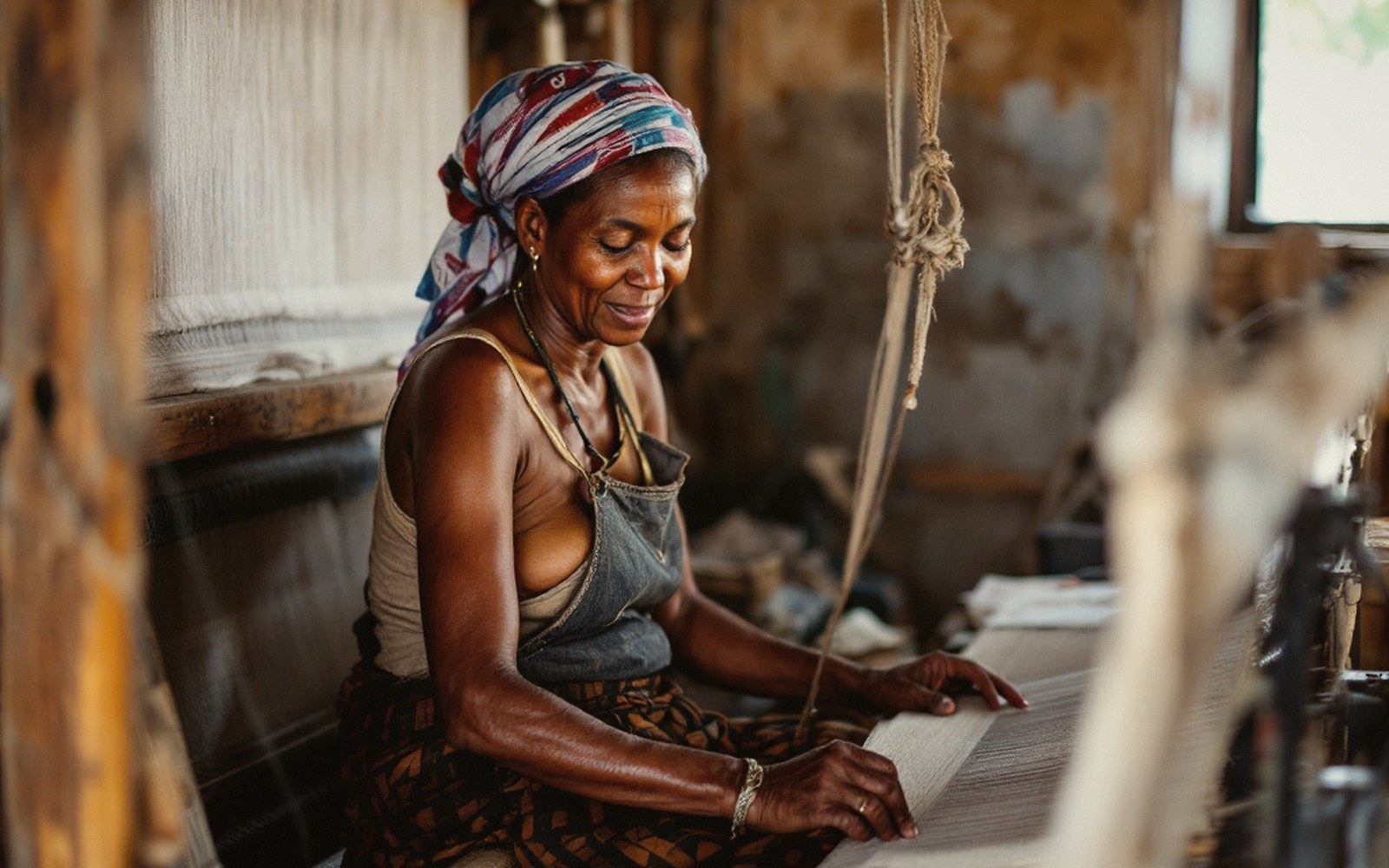
The Register
Every entry is one material, one place, and what the process demands.05 Leather Fig. 1
A construction that expects to be repaired
The welt is a strip stitched to the upper and the insole. The sole is then stitched to the welt, not to the shoe. When the sole wears through, the stitch that comes out is the one holding the sole — so the upper is never opened.
Northampton kept this because the argument it makes is about time rather than fashion.
Read next
Ten of eighteen. The whole register →01 Cloth
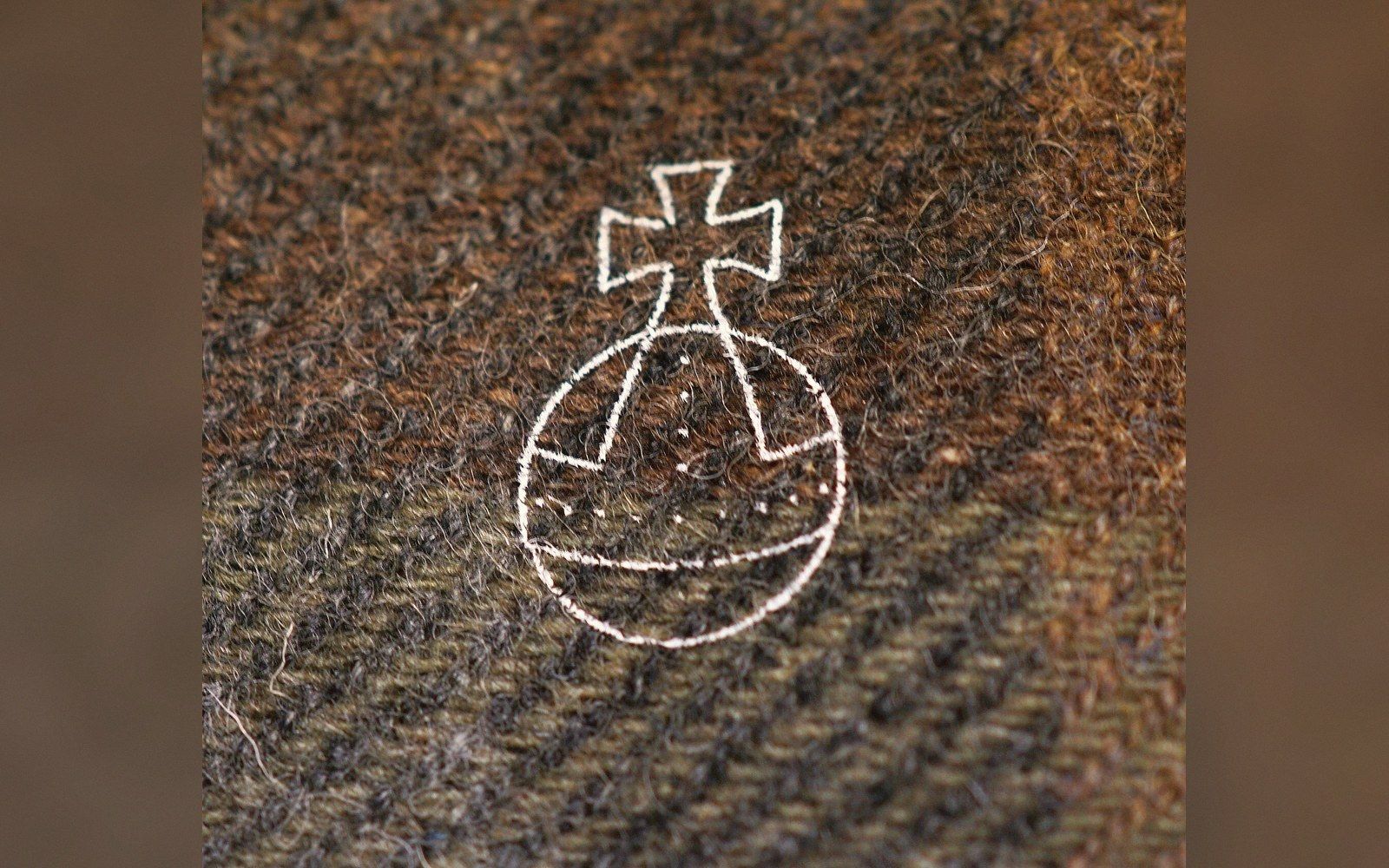
The Orb mark
A statutory mark, applied by an inspector, on cloth that has been checked.
Read the entry →03 Steel
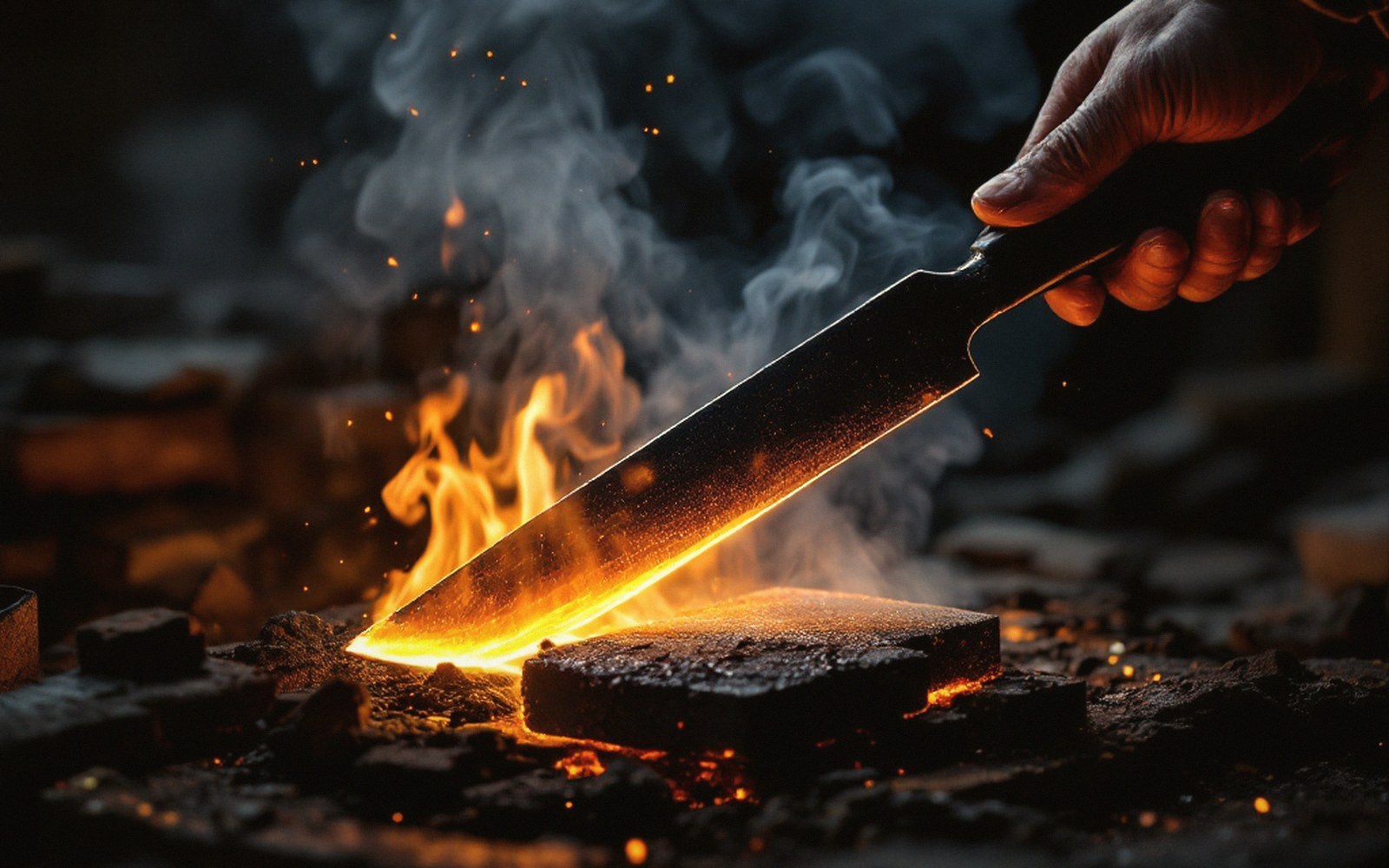
Hardening and tempering
Quench for hardness, then reheat to give back enough toughness that it will not shatter.
Read the entry →05 Leather
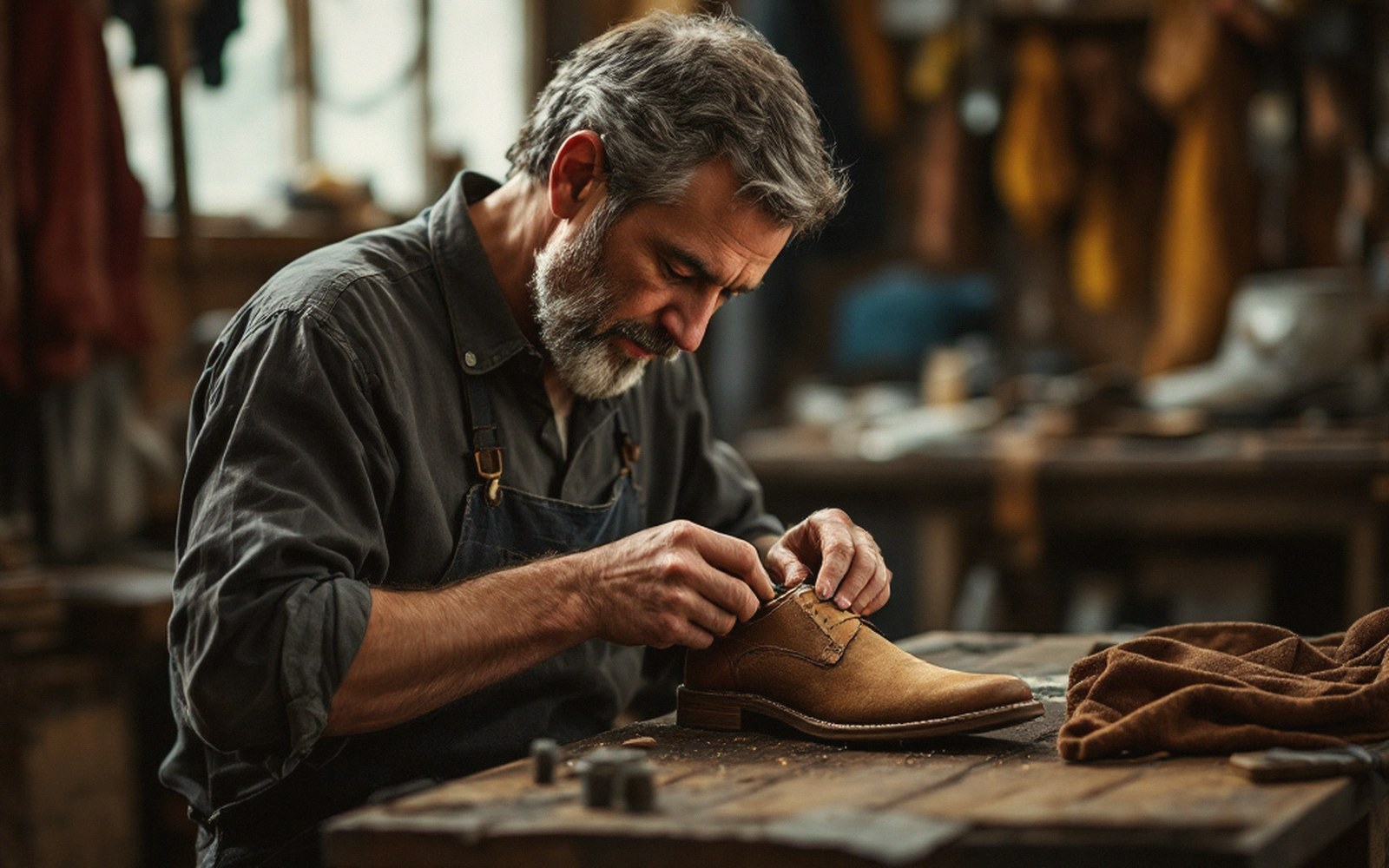
The Goodyear welt
A strip stitched to the upper and insole lets the sole be replaced, which is an argument about time rather than fashion.
Read the entry →06 Glass
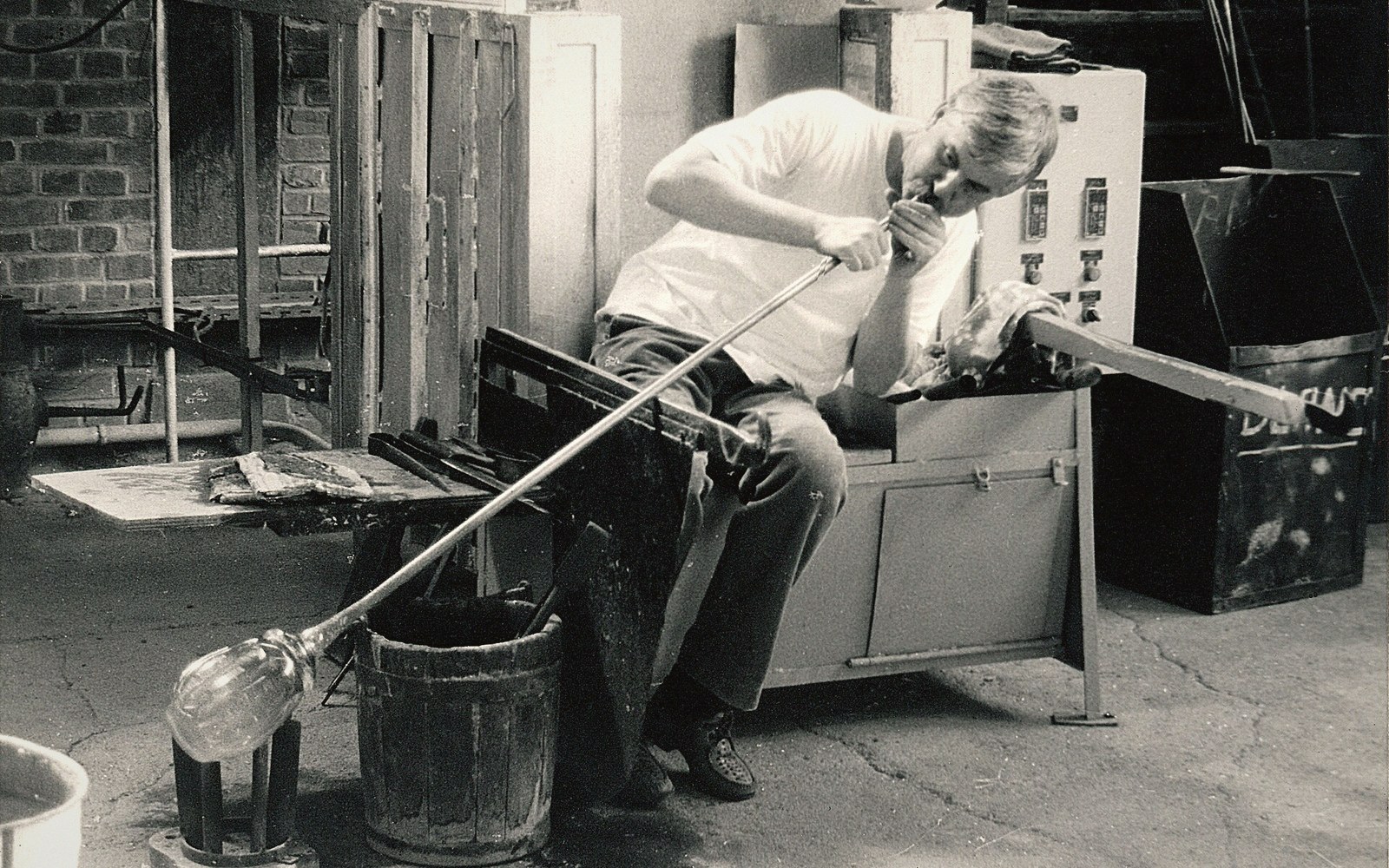
Hand blowing
A gather on the end of an iron, breath, and a very short working window.
Read the entry →- 01Cloth
Dyeing in the wool
Colour mixed at fibre stage rather than after weaving gives the flecked depth. - 02Clay
Bone china
Bone ash in the body makes it translucent and strong, and is why a cup rings. - 03Steel
Sheffield edge
Crucible steel gave a fine, even grain that took an edge, and the reputation outlived the process. - 04Alloy
Single-crystal blades
Turbine blades grown as one crystal run in gas hotter than the alloy's own melting point, surviving because they are film-cooled through laser-drilled holes. - 05Leather
Lasting
Pulling the upper over a wooden last is where the shape is actually decided. - 06Glass
Annealing
Cooling too fast leaves stress that will break the piece later, so it goes into a lehr for hours.
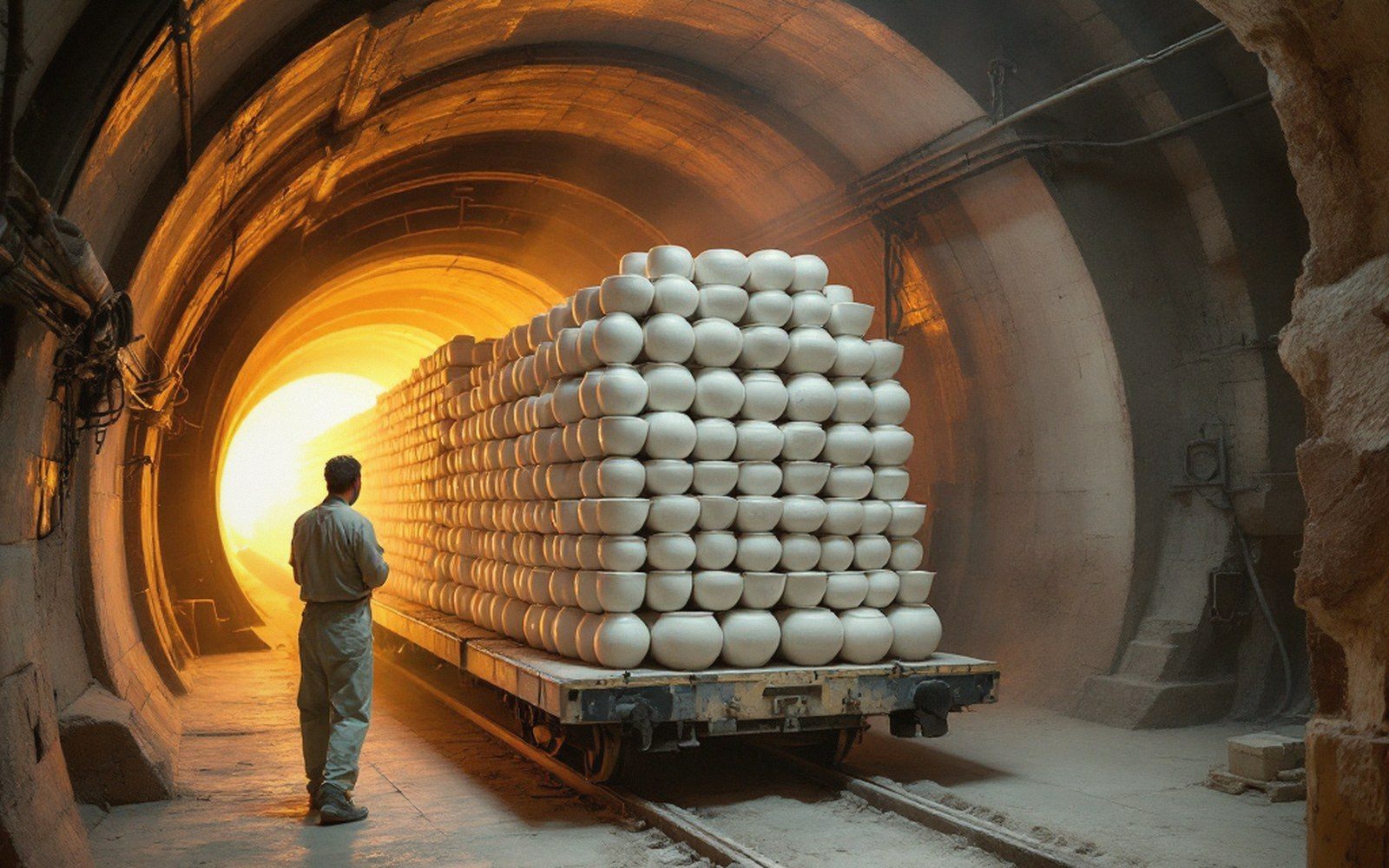
Every entry in this register is held in place by something specific: a statute, a mineral, a stitch that can be cut. None of them is held there by sentiment.